
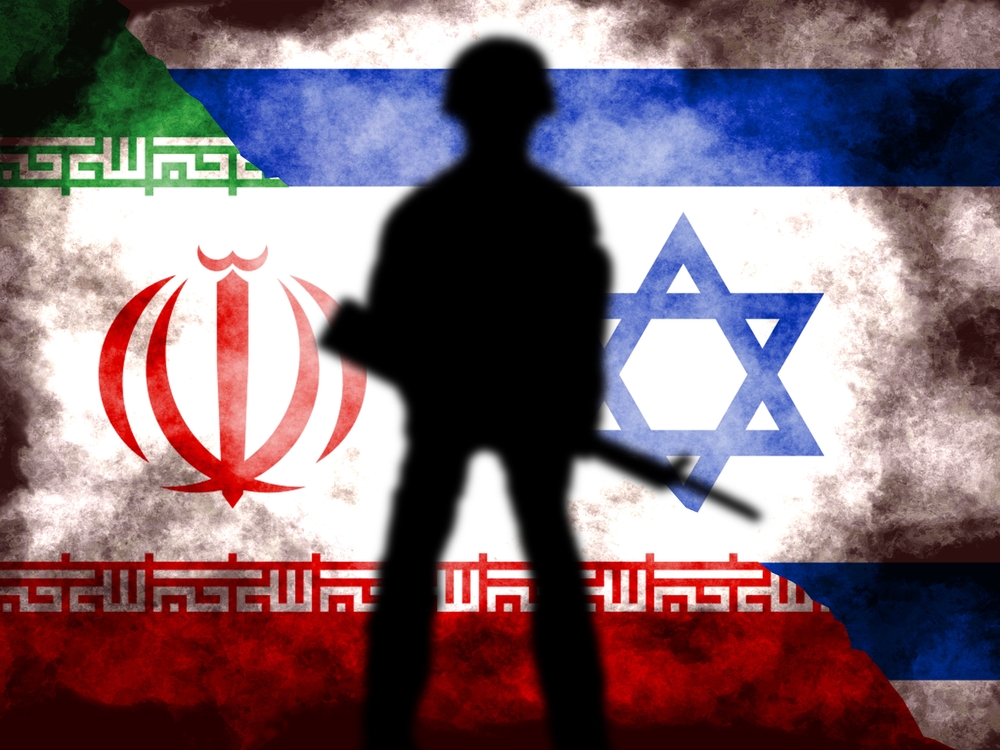
Middle East on the Brink of Peace or Another Conflict? What Christians Should Be Watching
Trump Says Middle East Peace Deal Could Be Days Away Amid Fragile Iran-Israel Ceasefire
 President Donald Trump said Tuesday that negotiators are in the “final throes” of securing a Middle East peace agreement, raising hopes that recent hostilities between Iran and Israel may be nearing an end.
For Christians watching developments in the Middle East through the lens of Bible prophecy, any discussion of peace involving Israel deserves careful attention. While many peace initiatives have emerged and faded throughout modern history, Scripture indicates that the pursuit of peace in the region will play a significant role in events leading to the return of Jesus Christ.
At the same time, believers should exercise caution. Headlines announcing peace breakthroughs are not themselves proof of prophetic fulfillment. Nevertheless, the latest diplomatic efforts are occurring in one of the most strategically and prophetically significant regions in the world.
Trump Signals Agreement Is Close
Speaking with reporters Tuesday, Trump said a deal could come together within days.
“We’re in the final throes of what will be a very, very good deal,” Trump said, adding that negotiations may conclude within “two or three days.”
The comments came after a dangerous exchange of missile strikes between Iran and Israel threatened to unravel a ceasefire that has largely held since April.
Trump’s role in preventing a wider conflict appears to have been significant. According to Axios, Israeli officials were reportedly preparing a major wave of strikes against Iran before Trump personally contacted Prime Minister Benjamin Netanyahu and urged restraint. The report suggests the administration believes a diplomatic breakthrough remains possible but vulnerable to renewed military escalation.
According to reports, both sides agreed to halt further military action after renewed diplomatic pressure from Washington. Despite the ceasefire, tensions remain high, with leaders in both Tehran and Jerusalem warning that any new attacks would be met with force.
Iran warned it would respond if Israeli strikes continue in Lebanon. Israeli Prime Minister Benjamin Netanyahu answered with a warning of his own, stating that any renewed Iranian attacks would trigger a powerful response.
Ceasefire Remains Fragile
Although active fighting has slowed, the situation remains volatile.
Iran has continued insisting that any comprehensive agreement must address ongoing conflict involving Hezbollah in Lebanon. Israeli leaders, meanwhile, have made clear they reserve the right to continue military operations against threats emanating from Lebanese territory.
Iran warned it would respond if Israeli strikes continue in Lebanon. Israeli Prime Minister Benjamin Netanyahu answered with a warning of his own, stating that any renewed Iranian attacks would trigger a powerful response.
Meanwhile, Israeli Defense Minister Israel Katz reaffirmed that operations against Hezbollah would continue regardless of broader diplomatic efforts.
The conflicting statements illustrate the challenge facing negotiators. While both sides may desire to avoid a larger regional war, neither appears willing to compromise on what they view as essential security interests.
Reporting from The Times of Israel indicates that Israeli security officials continue to view the current calm as conditional and potentially temporary. Even as diplomatic efforts advance, military leaders remain focused on countering threats from Hezbollah and other Iranian-backed groups operating throughout the region. The assessment highlights the complex reality facing negotiators seeking a lasting peace agreement.
Regional Instability Continues
Even as diplomats work toward a settlement, violence persists across the region.
Lebanese officials reported multiple deaths following Israeli strikes in southern Lebanon. Israel also reported interceptions of incoming projectiles and aerial threats from regional actors.
The conflict has disrupted commercial shipping through the Strait of Hormuz, one of the world’s most important energy corridors. Oil markets reacted sharply before stabilizing as investors assessed the prospects for peace.
These developments underscore how rapidly regional tensions can affect the global economy, international trade and geopolitical stability.
Why Christians Should Pay Attention
The Bible repeatedly highlights the importance of Israel and the Middle East in end-time events.
Jesus warned that believers would witness increasing wars, conflicts and international tensions as history moves toward His return.
Watching Peace Efforts Without Speculation
Scripture specifically speaks of a future peace agreement involving Israel that will play a major role in end-time prophecy.
Daniel 9:27 describes a covenant that will ultimately be confirmed by the Antichrist. Because of this passage, students of Bible prophecy often pay close attention whenever major diplomatic efforts emerge involving Israel and its neighbors.
However, Christians must avoid assuming that every proposed agreement is the fulfillment of Daniel’s prophecy.
Many peace plans have been announced over the decades, only to collapse under the weight of longstanding regional disputes.
What believers can say with confidence is that every new peace initiative demonstrates the world’s continuing desire to solve a conflict that has resisted resolution for generations.
The Middle East Remains Central to Prophecy
From Ezekiel’s prophecies concerning Israel’s restoration to Revelation’s descriptions of end-time geopolitical alignments, the Middle East occupies a central place in biblical prophecy.
Current events remind us why.
The nations surrounding Israel continue to wrestle with questions of security, sovereignty, religion and regional influence. Those issues remain unresolved despite decades of diplomacy and military conflict.
For many prophecy watchers, the continued focus on Israel serves as another reminder that God’s prophetic timeline remains moving forward exactly as Scripture foretold.
What We Know — And What We Don’t
At this point, several facts are clear.
Negotiations are continuing.
Both Iran and Israel have temporarily reduced military operations.
The United States is actively involved in mediation efforts.
However, significant uncertainties remain.
No final agreement has been publicly released.
The exact terms under discussion remain largely unknown.
And both sides continue issuing warnings that suggest the possibility of renewed conflict remains very real.
For that reason, Christians should avoid drawing conclusions before more information becomes available.
A Time for Discernment and Prayer
The possibility of a peace agreement in the Middle East is significant, particularly for those who study Bible prophecy.
Yet believers are called to respond not with fear or sensationalism, but with discernment.
Jesus instructed His followers to watch world events while remaining spiritually prepared. Our confidence does not rest in diplomats, military power or political leaders. It rests in God’s sovereign plan, which is unfolding exactly as He declared.
As negotiations continue in the days ahead, Christians should pray for peace, pray for Israel, pray for wisdom among leaders and continue studying God’s Word.
No matter what agreements are signed—or what conflicts remain unresolved—the Lord remains firmly in control of history.
Follow Only Source for current events and Bible prophecy.