
Strait of Hormuz Flashpoint: What the Latest Iran-U.S. Confrontation Means for the Middle East
Kuwait Reports Casualties Following Attack
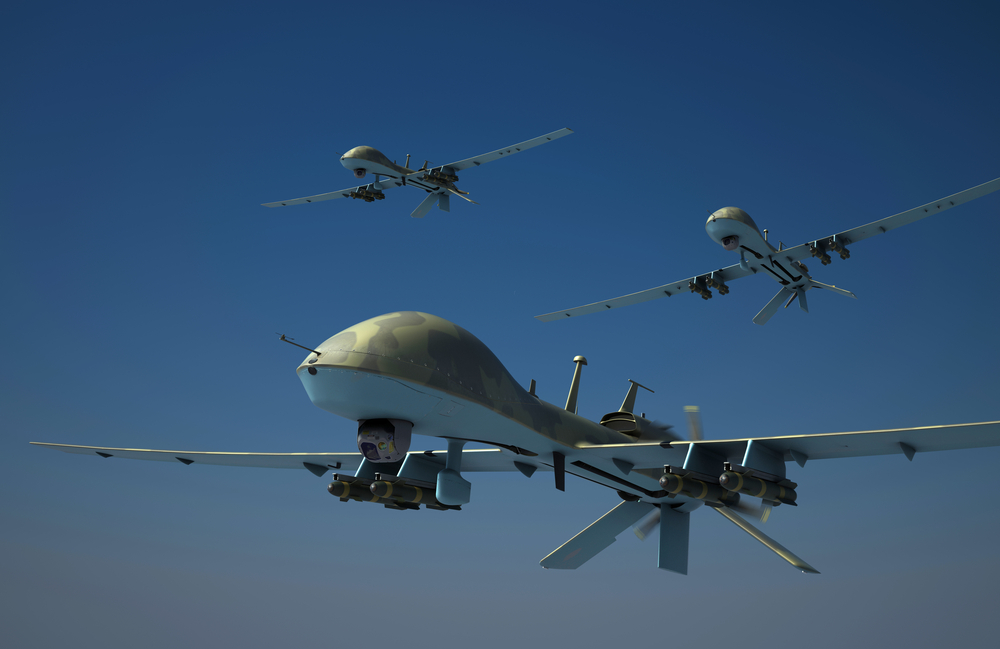
 According to the Associated Press, Iranian drones struck Kuwait International Airport, heavily damaging a passenger terminal, killing at least one person and injuring dozens more. Airport operations were temporarily disrupted as authorities assessed the damage.
Defense Ministry spokesperson Brig. Gen. Saud Abdulaziz Al-Otaibi said hostile drones targeted civilian infrastructure, prompting a strong response from Kuwaiti officials.
Kuwait’s Foreign Ministry condemned the attack and declared that the nation reserves the right to respond, stating it would “neither accept nor tolerate” violations of its sovereignty.
Why the Strait of Hormuz Matters
One of the World’s Most Important Chokepoints
The Strait of Hormuz remains one of the most strategically significant waterways in the world. Situated between Iran and Oman, the narrow passage serves as the primary maritime gateway connecting the Persian Gulf to international markets.
According to the U.S. Energy Information Administration, the Strait of Hormuz is one of the world’s most important oil chokepoints and handles a substantial portion of global petroleum shipments. Any prolonged disruption could impact energy supplies and trigger economic consequences far beyond the Middle East.
The waterway’s importance helps explain why military confrontations in the region draw immediate international attention.
Global Stakes Extend Beyond the Region
The strategic significance of the Strait extends beyond energy-producing nations in the Middle East.
The International Energy Agency notes that the Strait of Hormuz serves as the primary export route for oil from Saudi Arabia, Kuwait, Iraq, Qatar, Bahrain, the United Arab Emirates and Iran. The agency warns that any extended disruption could affect not only oil shipments but also a large percentage of the world’s spare production capacity.
As a result, tensions involving Iran and the Strait are closely monitored by governments, military planners and financial markets around the world.
To understand current events through the lens of Bible prophecy, visit Endtime Ministries and Only Source.