
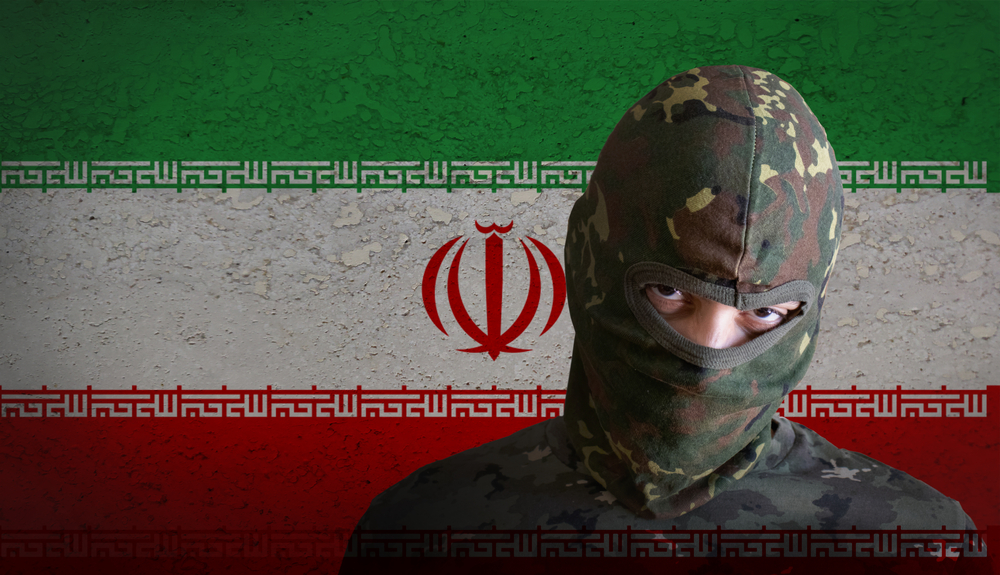
Could Iran Play a Role in a Future Temple Agreement?
An unexpected voice from inside the Iranian opposition is raising questions that Bible prophecy students cannot ignore — not because fulfillment is being declared, but because the language being used echoes Scripture in striking ways.
As war, economic instability, and diplomatic realignment continue to reshape the Middle East, an exiled Iranian prince has publicly called for recognizing Israel and expanding the Abraham Accords into what he calls the “Cyrus Accords.” For Christians who understand the biblical role of Persia, the name alone invites careful attention.
This is not about speculation or sensationalism. It is about discernment.
An Iranian Opposition Leader Breaks With Tehran’s Longstanding Policy
Reza Pahlavi, son of Iran’s last shah and a longtime opposition figure living in exile, recently released a public statement describing what he says Iran would look like after the fall of the Islamic Republic.
In remarks reported by The Jerusalem Post, Pahlavi said a future Iranian government would immediately recognize Israel, normalize relations with the United States, and permanently end Iran’s nuclear weapons program.
Most notably, he said Iran would work to expand the Abraham Accords into what he termed the “Cyrus Accords,” bringing together Iran, Israel, and Arab nations into a new framework of regional cooperation.
According to reporting by Ynet News, Pahlavi framed the proposal as a break from decades of extremism, arguing that Iran’s identity has been hijacked by the current regime and could be restored through peaceful engagement.
Why the Name “Cyrus” Matters Biblically
For Bible prophecy students, the reference to Cyrus is impossible to miss.
Cyrus the Great was a Persian king whom God used to allow the Jewish people to return from captivity and rebuild the temple in Jerusalem. Scripture records that the Lord stirred Cyrus’ heart to issue a decree enabling the rebuilding of God’s house (Ezra 1:1–4). Isaiah even names Cyrus more than a century in advance, describing him as God’s shepherd who would say of Jerusalem, “She shall be built,” and of the temple, “Thy foundation shall be laid” (Isaiah 44:28).
Because Persia is modern-day Iran, any Iranian leader invoking Cyrus while discussing Israel immediately draws attention from those familiar with biblical history.
That does not mean this proposal fulfills prophecy — but it does explain why believers are watching closely.
What the Political Reality Looks Like Right Now
Despite the attention Pahlavi’s remarks have generated, there is currently no indication that the United States or its allies are positioning him to lead Iran.
In fact, The Jerusalem Post reported that former President Donald Trump has expressed skepticism about Pahlavi’s viability as a future leader, questioning whether he has meaningful support inside Iran and stating that meeting with him would be inappropriate.
Trump administration officials have likewise indicated that regime change in Iran is not an active policy objective at this time.
That distinction matters. Prophecy-aware Christians must separate what is being said from what is actually unfolding.
Regional Instability Is Creating Unusual Conversations
Even without a clear pathway to leadership, Pahlavi’s statements reflect a broader reality: the Middle East is in flux.
Iran is facing internal unrest, external pressure, and growing economic strain. According to analysis published by The Guardian, Tehran’s leadership appears to believe the West lacks a clear plan for Iran’s future — a calculation that increases uncertainty across the region.
Historically, moments of instability often produce unexpected proposals, alliances, and peace initiatives. Scripture reminds us that global shifts frequently precede major prophetic developments, even when their outcomes are not immediately clear.
Persia’s Place in End-Time Scripture
The Bible makes clear that Persia plays a role in end-time conflict (Ezekiel 38). That reality alone ensures Iran remains prophetically significant, regardless of who governs it at any given moment.
At the same time, Revelation 11 describes a temple existing in Jerusalem during the final prophetic period — a fact that requires a future set of political, religious, and diplomatic conditions that do not yet fully exist.
How those conditions emerge is not spelled out in detail, which is why Endtime Ministries has always cautioned against declaring fulfillment prematurely.
Financial Pressure Is Adding to Global Volatility
These geopolitical developments are unfolding alongside warning signs in the global financial system.
In late January, U.S. regulators closed Metropolitan Capital Bank & Trust in Chicago, marking what some outlets described as the first U.S. bank failure of 2026. The Chicago Sun-Times reported the bank held approximately $261 million in assets before the FDIC intervened.
While isolated bank failures do not signal immediate collapse, they do contribute to a growing sense of fragility — a reminder that economic systems, like political ones, can shift quickly.
Scripture warns believers not to place ultimate trust in structures that can be shaken (Hebrews 12:26–28).
What Believers Should Watch — Without Fear
Christians are not called to panic, but to watch.
That means paying attention when long-standing enemies discuss normalization with Israel, recognizing when biblical names and themes surface in modern diplomacy, and measuring every claim against Scripture rather than emotion.
Jesus warned that wars, rumors of wars, and upheaval would come — but He also said, “See that ye be not troubled” (Matthew 24:6).
A Pastoral Perspective for This Moment
At Endtime Ministries, we do not declare prophecy fulfilled based on headlines. We watch trends, verify facts, and anchor every conclusion in Scripture.
If this story highlights anything, it is the speed at which global conditions can change — and the faithfulness of God to remain sovereign through every shift.
Believers should respond with prayer, discernment, and confidence, continuing to deepen their understanding of Bible prophecy through trusted teaching at Endtime.com and watching daily analysis through Only Source.
Now more than ever, clarity matters more than speculation — and truth matters more than fear.