
Could a New Iran Deal Reshape the Middle East? What Christians Should Watch
US, Iran Near Possible Ceasefire and Nuclear Framework Agreement
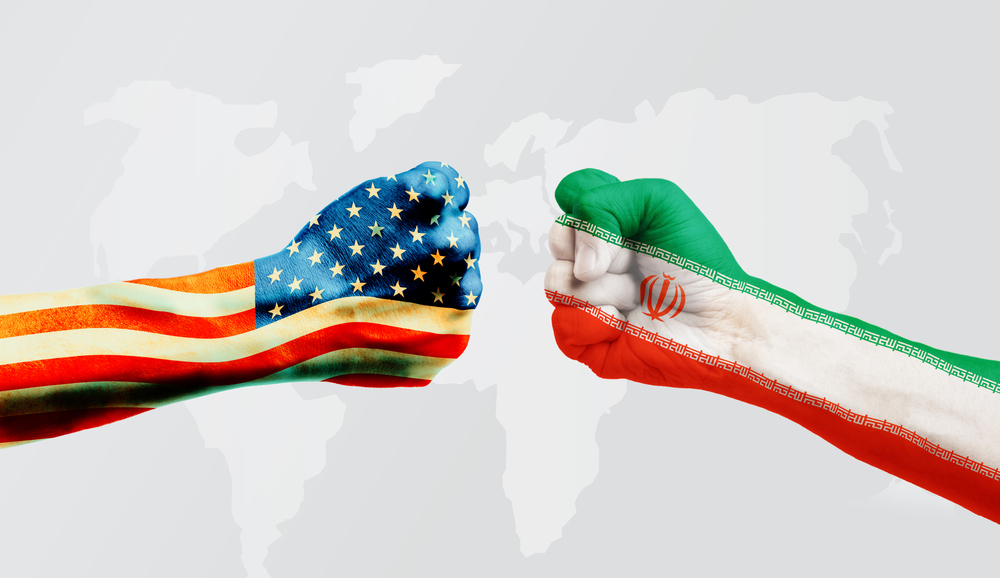
 A potential diplomatic breakthrough between the United States and Iran is drawing global attention as reports indicate Tehran may soon respond to a proposed ceasefire and nuclear framework agreement brokered through ongoing negotiations.
For Christians watching developments in the Middle East through the lens of Bible prophecy, the situation matters not only because of its geopolitical consequences, but because it highlights the fragile and increasingly interconnected nature of global diplomacy surrounding Iran, Israel, and the broader Middle East.
According to multiple reports, the proposed framework could temporarily halt hostilities while opening the door for broader negotiations involving sanctions relief, uranium enrichment restrictions, and security guarantees in the Strait of Hormuz — one of the world’s most strategically important shipping lanes.
Trump Says Iran Has One Week to Respond
President Donald Trump told Fox News on Wednesday that Iran has approximately one week to respond to Washington’s latest proposal.
“They want to make a deal. We’ve had very good talks over the last 24 hours, and it’s very possible that we’ll make a deal,” Trump reportedly said from the Oval Office.
The proposal under discussion is said to be a one-page, 14-point memorandum of understanding designed to establish an immediate ceasefire and launch a 30-day negotiation period aimed at securing a broader agreement.
According to CNN, citing a regional source, the United States expects a response from Iran as soon as Thursday. Iranian officials have not publicly accepted the proposal, though a spokesperson for Iran’s Foreign Ministry told CNBC the offer was currently being “evaluated.”
The talks reportedly involve direct and indirect negotiations facilitated through Pakistan, with American representatives including Steve Witkoff and Jared Kushner participating in discussions.
For additional reporting on developments involving Israel and the Middle East, readers can follow The Jerusalem Post.
Key Terms of the Proposed Agreement
Strait of Hormuz Blockades Could Be Lifted
One of the most significant aspects of the proposed framework involves reopening access through the Strait of Hormuz.
According to Axios, both nations would agree to lift their respective blockades in the region. In exchange, the United States would reportedly remove certain sanctions while Iran would commit to a 15-year moratorium on uranium enrichment.
Iran would also reportedly transfer its stockpile of highly enriched uranium outside its borders, potentially to the United States.
The Strait of Hormuz remains one of the world’s most critical maritime chokepoints, with a substantial percentage of global oil shipments passing through the narrow waterway. Any escalation there has immediate implications for global markets, military positioning, and international stability. Recent reporting from Axios has highlighted the growing economic pressure tied to the negotiations and the reopening of maritime traffic in the region.
No Final Agreement Yet
Despite optimistic statements from American and Pakistani officials, no finalized agreement currently exists.
Axios reported that several core terms remain contingent on future negotiations, and Iranian sources have reportedly criticized portions of the proposal as unrealistic.
Iran’s semi-official Tasnim news agency described some clauses as “unacceptable,” while another Iranian official reportedly characterized the document as “more of a wishlist than a reality.”
US Secretary of State Marco Rubio described the negotiations as “highly complex and technical,” emphasizing the difficulty of achieving meaningful concessions.
Additional international coverage has emphasized the fragile nature of the current ceasefire discussions and the continued military tensions surrounding the Strait of Hormuz. CBS News reported that US officials still consider the situation highly volatile despite optimism surrounding a possible agreement.
Israel Watching Closely
The Jerusalem Post reported that Israeli Prime Minister Benjamin Netanyahu held consultations with senior government officials as developments unfolded.
Israeli leaders remain deeply concerned about any arrangement involving Iran’s nuclear program, particularly given Tehran’s longstanding hostility toward Israel and its support for regional proxy groups.
For years, Israel has warned that temporary diplomatic agreements could allow Iran additional time to strengthen its military and nuclear capabilities. Israeli officials reportedly were not surprised by the latest developments but continue monitoring negotiations closely.
Readers seeking biblical insight into the role of Israel and Iran in end-time prophecy can explore Endtime Ministries’ teachings on the Middle East and prophecy.
Why Christians Should Pay Attention
Global Diplomacy Continues to Reshape the Middle East
While believers should avoid sensationalism or prematurely declaring prophetic fulfillment, Scripture does indicate that the Middle East will remain central in world affairs during the last days.
Jesus warned in Matthew 24 that believers would hear of “wars and rumors of wars,” while the books of Daniel and Revelation describe increasing global political alignment and international pressure surrounding Israel.
Iran has long occupied a prominent role in discussions surrounding regional instability, nuclear ambitions, and alliances involving nations hostile toward Israel.
The current negotiations also reflect another broader trend Christians should watch carefully: the growing reliance on multinational diplomacy and international frameworks to solve global crises.
Those themes frequently emerge in conversations about Bible prophecy, world governance, and future peace arrangements involving Israel.
To learn more about biblical prophecy concerning modern global developments, readers can watch Endtime Ministries programming on Only Source.
What We Know — and What We Don’t
What We Know
- Negotiations between the US and Iran are actively underway.
- A proposed ceasefire and nuclear framework has reportedly been presented.
- The agreement would include a temporary halt in hostilities and future negotiations.
- Iran has not yet formally accepted the proposal.
- Israel is closely monitoring the situation.
What We Do Not Know
- Whether Iran will ultimately accept the terms.
- Whether a final comprehensive agreement can be reached.
- How long any temporary ceasefire would last.
- Whether regional actors would fully comply with enforcement measures.
That uncertainty underscores the fragile nature of Middle East diplomacy and the difficulty of achieving long-term peace in the region.
A Time for Discernment and Prayer
For Christians, moments like these should not produce fear, panic, or reckless speculation. Instead, they should deepen our awareness of the times while strengthening our confidence in God’s sovereignty.
The Bible reminds believers that world leaders may negotiate temporary peace, but lasting peace ultimately comes only through Jesus Christ.
As tensions continue involving Iran, Israel, and global powers, believers should remain prayerful, informed, and discerning — watching world events carefully while keeping their hope firmly rooted in Scripture rather than political outcomes.
The Middle East remains one of the clearest reminders that the Bible’s prophetic framework still matters today.