
Rising Tensions With Iran Put Middle East on Edge
Escalating U.S.–Iran tensions threaten Middle East stability and global energy markets
 Growing U.S. military activity near Iran has raised the possibility of a direct American strike—an escalation that could reshape the Middle East, disrupt the global economy, and accelerate trends long watched by students of Bible prophecy.
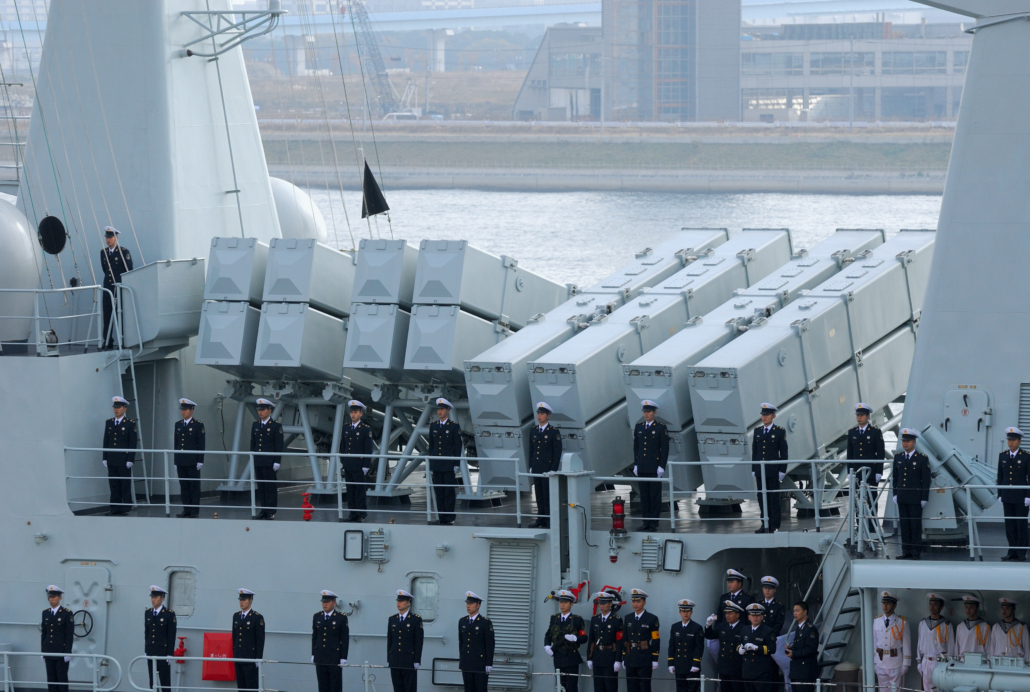
For months, the United States has steadily increased its military presence in the Persian Gulf region. President Donald Trump recently described the buildup as a “massive armada” of ships and aircraft positioned within striking distance of Iran. With high-stakes diplomatic talks scheduled in Oman and Geneva, the outcome could determine whether tensions cool—or erupt into open conflict, according to reporting from U.S. News & World Report.
For Christians who closely follow global developments through the lens of Scripture, the stakes are significant. The Middle East remains central to biblical prophecy, and Iran—ancient Persia—has long played a notable role in the region’s spiritual and geopolitical story.
Diplomatic Talks Show Deep Divisions
Nuclear Program at the Center of the Dispute
Iranian officials insist upcoming talks with the United States should focus on Tehran’s nuclear program, but Washington wants broader negotiations including Iran’s ballistic missile development and support for proxy groups such as Hamas and Hezbollah—groups designated as terrorist organizations by the U.S. government and its allies.
Recent meetings in Geneva saw Iran’s foreign minister prepare for a new round of indirect negotiations, while naval drills by Iran in the Strait of Hormuz underscored how fragile the situation remains, according to international coverage from Reuters.
Why the Strait of Hormuz Matters to the World
Global Oil Supply at Risk
Roughly 20 percent of all oil traded worldwide moves through the Strait of Hormuz—a narrow waterway between Iran and Oman—making it one of the world’s most critical energy chokepoints. Any disruption would almost certainly cause fuel prices to spike worldwide, affecting American households directly.
The U.S. Energy Information Administration has repeatedly warned that most oil passing through the strait has “no alternative route,” meaning even a limited conflict could have outsized global consequences, as documented by the U.S. Energy Information Administration.
While much of that oil is destined for Asia, energy markets are global. The ongoing standoff raises the specter of supply shocks that could intensify inflation and slow global economic growth.
Could the U.S. Strike Iran?
A Real and Present Possibility
The possibility of military action is no longer theoretical. The United States struck Iranian nuclear facilities in June 2025 in a narrowly tailored operation intended to degrade Tehran’s nuclear infrastructure—an action confirmed by Pentagon assessments and widely reported by major international outlets.
President Trump has warned Iran’s Supreme Leader, Ayatollah Ali Khamenei, that he “should be very worried” if negotiations fail—a stark signal that force remains on the table.
Iranian leaders in turn have vowed robust retaliation if attacked, framing U.S. military moves as a provocation.
Regime Change: An Unanswered Question
Sympathy for Protesters, Uncertainty Beyond Day One
President Trump has publicly expressed support for anti-regime protests in Iran, even suggesting that new leadership would benefit the Iranian people. Yet there remains no official U.S. objective of regime change, and questions persist about what follows such an upheaval.
Recent protests were met with brutal crackdowns, with thousands reportedly killed by Iranian security forces—a human tragedy that also complicates diplomatic efforts.
Iran’s Diminished—but Dangerous—Response Options
Weakened Proxies, Persistent Threats
Iran’s regional influence has been significantly reduced following military setbacks, but Tehran retains the ability to disrupt global markets through asymmetric actions, such as attacks on oil tankers or shipping infrastructure.
Iran has even signaled that it may retaliate by exploiting vulnerabilities such as the Strait of Hormuz, a threat that would have profound economic consequences if carried out.
Biblical Context: Watching Without Speculation
Students of Bible prophecy recognize Iran as ancient Persia, mentioned in the books of Daniel and Esther. Scripture indicates Persia will play a role in end-time alliances (Daniel 10; Ezekiel 38), but believers must avoid hastily labeling current events as definitive prophetic fulfillments.
Jesus warned that “wars and rumors of wars” would characterize the age preceding His return (Matthew 24:6). The present tensions serve as reminders of that reality, underscoring the volatility of a world increasingly aligned against biblical truth and stability.
For deeper biblical analysis on Middle East developments, readers can explore Endtime Ministries’ teachings on Bible prophecy.
and related video content on the Only Source Network).
A Call for Discernment and Prayer
As tensions rise, believers are called to remain watchful—but not fearful. Scripture assures us that God remains sovereign over the nations, even amid conflict and uncertainty. While political leaders weigh military and diplomatic options, the Church’s responsibility is clear: pray for peace, seek wisdom, and stand firm in faith.
Now more than ever, discernment is essential. World events may shift rapidly, but the Word of God remains unshaken.
For ongoing coverage and biblical insight into global developments, visit Endtime Ministries’ news and analysis section.
and continue watching trusted programming at Only Source Network.