

Middle East Power Shift: Trump Claims Victory Over Iran as Prophecy Watch Intensifies
Trump Says Iran Is “No Longer a Threat,” but Christians Should Watch Carefully
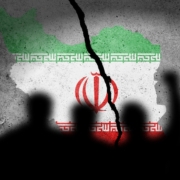 President Donald Trump told the nation Wednesday night that after 32 days of Operation Epic Fury, Iran is “essentially really no longer a threat” and that America’s “core strategic objectives are nearing completion.” That claim matters to Christians because events involving Iran, Israel and the wider Middle East never unfold in a vacuum. They touch a region Scripture places at the center of end-time developments, and they remind believers to watch world events with sobriety rather than sensationalism.
At the same time, this is not a moment for overstatement. The president’s address presented a sweeping picture of military success, but some of his broader claims about Iran, the economy and America’s exposure to Middle East instability have already drawn scrutiny from independent reporting. That means Christians should pay attention to both what was said and what can actually be verified.
Read the full transcript of Trump’s address to AP News
What Trump Claimed in His Address
The administration says its military objectives are nearly complete
According to the president’s April 1 remarks, U.S. forces have devastated Iran’s navy, badly damaged its air force, reduced its missile and drone capabilities, and struck the regime’s weapons infrastructure. Trump said those actions were designed to cripple Iran’s ability to threaten the United States, arm proxy groups and pursue a nuclear weapon. He also thanked key regional partners, including Israel, Saudi Arabia, Qatar, the United Arab Emirates, Kuwait and Bahrain.
That is the administration’s message in plain terms: the campaign was not presented as open-ended nation-building, but as a targeted effort to break Iran’s ability to wage regional aggression. For many evangelical readers, that will sound like a major strategic turning point in the Middle East. Still, the real test will be whether Iran’s military and proxy networks remain weakened over time—or whether the conflict simply enters a new phase.
What We Know, and What We Do Not Yet Know
Some headline claims remain disputed or unverified
Christians should resist the pressure to accept every wartime declaration at face value. The Associated Press noted that some claims made in the address were inaccurate or stretched beyond currently verifiable facts, including statements about regime change, protest deaths inside Iran and the broader economic picture. AP also stressed that while the United States imports relatively little oil from the Persian Gulf directly, turmoil in the region still affects Americans because oil is priced in a global market.
That distinction matters. It is possible for America to be strong, militarily effective and still vulnerable to the economic fallout of a major Middle East war. In other words, victory on the battlefield does not automatically mean stability at the gas pump or peace across the region.
Why Gas Prices and Oil Routes Matter
The pain at the pump is tied to a larger global reality
Trump acknowledged rising fuel prices and called the increase short term. AAA’s fuel tracker showed the national average for regular gasoline at $4.081 per gallon on April 2, 2026, confirming that Americans are already feeling the pressure.
That increase is not just a domestic political problem. It reflects the strategic importance of oil transit in the Middle East. Even when the United States is producing more energy at home, disruption in a critical global corridor can still raise costs worldwide. That is one reason this conflict matters beyond military headlines.
Check current national gas prices to AAA Fuel Prices
A Biblical Worldview Requires Clarity, Not Panic
Watch the region, but do not outrun Scripture
For Christians who study Bible prophecy, Iran remains significant because Persia appears in Ezekiel 38, and the broader Middle East remains central to the prophetic narrative of the end times. Yet believers should be careful not to force every military development into a prophetic timeline before the facts are clear. Jesus warned of “wars and rumors of wars,” but He also warned against fear and confusion. Current events should awaken discernment, not reckless date-setting.
This is where biblical literacy matters. The right response is not to dismiss the moment, nor is it to declare prophetic fulfillment prematurely. The right response is to watch, pray, test every claim and keep confidence anchored in God’s sovereignty.
Learn more about the Middle East in Bible prophecy
Believers should pay attention to what comes next
If Iran has truly been weakened to the degree the administration claims, the next question is what fills the vacuum. A battered regime can become more desperate, not less dangerous. Proxy groups can adapt. Alliances can shift. And international pressure for broader regional security arrangements can intensify.
Those are the kinds of developments prophecy-minded Christians should be watching carefully. Not every conflict is the fulfillment of a specific passage, but major realignments in the Middle East deserve close attention from those who take Scripture seriously.
The Bottom Line
President Trump’s address was meant to reassure the country that Operation Epic Fury has broken Iran’s power and placed the United States near the finish line. That may prove true in part. But it is also clear that some claims remain contested, the economic effects are already being felt, and the region is still unstable.
Christians should respond the way believers always should in moments like this: with discernment, prayer and confidence in the Lord. The nations rage, leaders boast and wars reshape the headlines, but none of it is outside God’s control. Our task is to stay alert, stay grounded in the Word and refuse both fear and hype.