
Massive US-Iran Conflict Could Begin “Very Soon,” Report Warns
Massive US-Iran Conflict Could Begin “Very Soon,” Report Warns
The possibility of a direct military conflict between the United States and Iran appears closer than many Americans realize. According to a recent Axios report, a weeks-long war could begin “very soon” if diplomatic negotiations collapse.
For Christians who follow global events through the lens of Bible prophecy, this moment is significant. Iran sits at the center of Middle East tensions, openly hostile toward Israel and deeply embedded in regional proxy conflicts. A large-scale U.S.-Iran confrontation would not only affect oil markets and global security — it could reshape alliances in ways that students of prophecy have long watched carefully.
Diplomatic Talks Nearing a Breaking Point
“All Options on the Table”
The second round of talks between U.S. envoys Steve Witkoff and Jared Kushner and Iranian Foreign Minister Abbas Araghchi concluded this week. While both sides publicly described progress, behind-the-scenes reporting suggests serious disagreements remain.
Axios reported that “all signs point to [Trump] pulling the trigger if talks fail,” citing multiple sources who believe the administration is preparing for a broader campaign rather than a limited strike.
The Jerusalem Post likewise reported that substantial gaps remain between Washington and Tehran despite ongoing discussions (see The Jerusalem Post’s coverage of the talks).
Vice President JD Vance reinforced the administration’s posture in an interview with Fox News, stating that President Trump prefers diplomacy but believes negotiations may be nearing their “natural end.” (See Fox News interview coverage)
U.S. officials have reportedly given Iran a two-week window to present a detailed proposal. Observers have drawn parallels to a similar deadline last June that preceded military action.
The tone coming from Washington suggests patience is thinning.
U.S. Military Buildup in the Middle East
Carrier Strike Group and Air Power
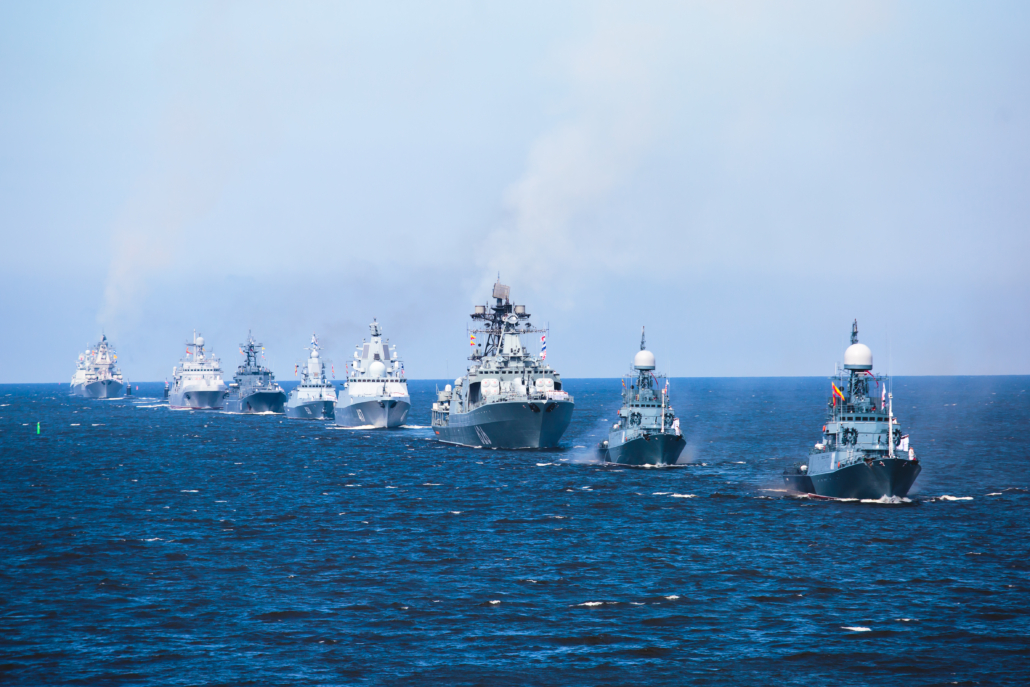
The United States has steadily increased its military footprint in the region.
More than 10 F-22 fighter jets have been deployed to the Middle East. The USS Gerald R. Ford, the largest aircraft carrier in the U.S. Navy, is reportedly heading toward the region as well.
Such deployments typically signal serious contingency planning.
According to Axios, sources close to the administration describe a “90% chance” of kinetic action in the coming weeks. Others within the political establishment suggest more time may be required for preparation.
Either way, this is more than rhetoric. Assets are moving.
Why This Matters in Bible Prophecy
Iran — Ancient Persia — in Scripture
Iran, historically known as Persia, is specifically named in Ezekiel 38 as part of a coalition that will come against Israel in the latter days.
Students of Bible prophecy have long watched Iran’s military ambitions and hostility toward Israel as part of a broader prophetic framework. While we must avoid prematurely declaring fulfillments, the trajectory of events is noteworthy.
It is critical to emphasize: not every Middle East war is the Ezekiel 38 war. Scripture describes a specific coalition, timing and set of conditions.
However, escalating U.S.-Israeli military coordination and Iran’s growing regional entrenchment align with the broader patterns described in prophetic passages.
Regional Conflict Could Trigger Global Realignment
Iran maintains proxy forces in Lebanon, Syria, Iraq and Yemen. Any direct strike could activate multiple fronts, drawing Israel deeper into conflict.
Major powers such as Russia and China would likely respond strategically, if not directly. A prolonged regional war could accelerate the type of geopolitical restructuring that Revelation and Daniel describe — including the consolidation of power blocs and calls for greater international coordination.
Jesus warned in Matthew 24 that the last days would be marked by “wars and rumors of wars.” He instructed believers not to panic, but to recognize the season.
For ongoing biblical analysis of current events, watch The Endtime Show on Watch.OSN.tv and explore additional resources at Endtime.com.
What We Know — and What We Don’t
At this stage:
-
Diplomatic talks are ongoing but strained.
-
U.S. military assets are moving into position.
-
A short timeline has reportedly been given to Iran.
-
Internal debate continues about the scope and timing of any action.
What remains unknown is whether diplomacy will prevail or whether military confrontation is imminent.
Believers must remain sober and discerning. Headlines can shift quickly, and not every escalation becomes a full-scale war.
A Call to Prayer and Steadfast Confidence
If a major U.S.-Iran conflict erupts, it could reshape the Middle East and affect global stability in profound ways. Yet Scripture reminds us that none of these developments unfold outside God’s sovereign oversight.
Psalm 46 declares that God is “our refuge and strength, a very present help in trouble.”
Rather than respond with fear, Christians should respond with prayer — for peace, for wisdom among leaders, for protection over Israel and for opportunities to share the gospel in uncertain times.
Bible prophecy was not given to alarm believers, but to anchor them.
As world events intensify, we remain confident: God’s Word is true, His timeline is unfolding and His purposes will stand.