
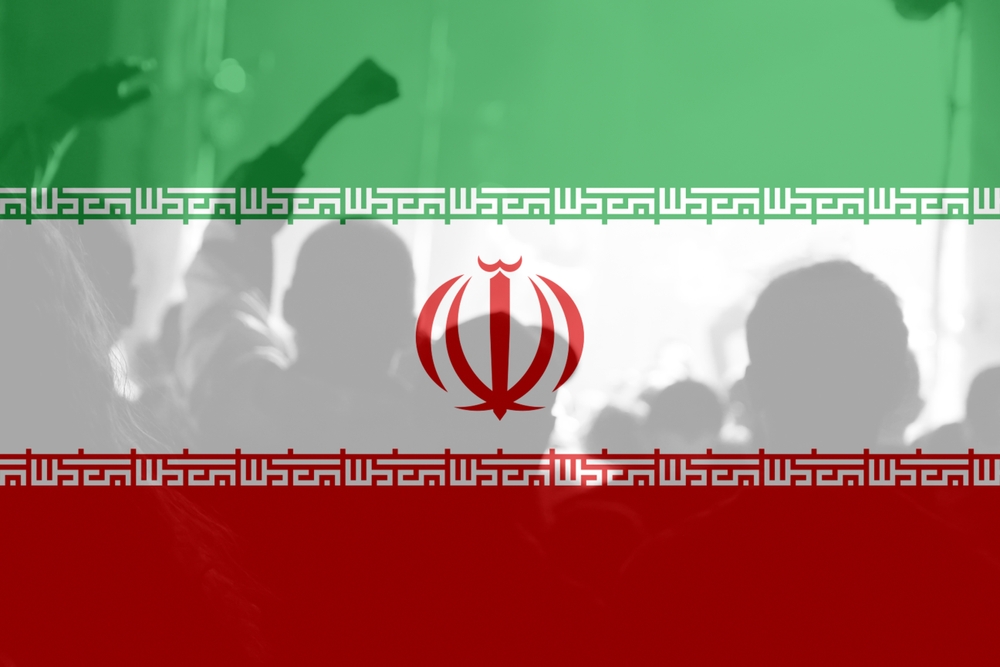
Iran’s Unrest Signals Potential Turning Point as Calls for Regime Change Grow
/in Blog, Prophecy in the News /by John LittleIran’s Unrest Signals Potential Turning Point as Calls for Regime Change Grow
Tensions inside Iran may be approaching a critical moment, as opposition voices signal that the long-standing Islamic Republic could be entering a season of intensified instability. For Christians watching global events through the lens of Bible prophecy, developments in Iran carry significant weight, particularly given the nation’s role in Middle East dynamics and its consistent opposition to Israel.
Recent statements from Iranian Crown Prince Reza Pahlavi suggest that a coordinated effort to challenge the regime is nearing a decisive phase. While uncertainty remains, the situation underscores the volatility of the region and the importance of discernment in interpreting rapidly unfolding events.
Growing Pressure on Iran’s Leadership
Internal Unrest and External Pressure Converging
Pahlavi stated in a recent interview that a “final call” for nationwide demonstrations is approaching, though he emphasized that timing will be critical. According to reporting from The Jerusalem Post, he warned that Iran’s leadership has historically shown “no hesitation in suppressing people,” even at the cost of mass casualties.
This caution reflects a sobering reality: while opposition movements may be gaining momentum, the regime retains significant capacity for violent repression. Broader geopolitical analysis from Reuters’ Middle East coverage has also noted increasing regional pressure on Iran, particularly amid ongoing tensions with Israel and Western powers.
Economic instability is compounding the issue. Coverage from BBC News on Iran’s economy highlights the continued weakening of the Iranian rial and growing dissatisfaction among citizens—factors that often precede widespread unrest.
Organized Opposition Efforts Emerging
According to Pahlavi, resistance efforts inside Iran are not entirely spontaneous. He pointed to coordinated networks working within the country to weaken the regime’s control, including groups aimed at countering state enforcement mechanisms.
These efforts, he said, are rooted in a desire to reclaim Iranian identity and cultural heritage, which many believe has been suppressed under the current system. While the effectiveness of these movements remains to be seen, their existence suggests a more structured opposition than in previous years.
A Vision for Post-Regime Iran
Planning for Transition and Governance
Pahlavi also outlined a framework for what could follow a regime collapse, referred to as the “Prosperity Project.” This initiative involves assembling experts across various sectors—law, economics, health care, and education—to prepare for a transitional government.
He emphasized that existing institutions, including elements of the military and civil service, may need to remain temporarily in place to maintain national stability. Long-term governance, he said, would ultimately be determined through a national referendum.
This forward-looking approach highlights a key concern often overlooked in discussions of regime change: what comes next. History has shown that power vacuums can lead to further instability if not carefully managed.
Appeals to Military and Security Forces
In a notable move, Pahlavi directly appealed to members of Iran’s military and police forces, urging them to separate from the current regime and align with the people.
He also issued a warning: those who continue to uphold the system may be held accountable in the future. Such appeals could play a role in encouraging defections, which have historically been pivotal in moments of political transition.
The Prophetic Significance of Iran
Iran’s Role in Bible Prophecy
For students of Bible prophecy, Iran—historically known as Persia—holds a recognized place in Scripture. The book of Daniel and other prophetic passages reference Persia as a significant player in the unfolding of world events.
Additionally, many prophecy teachers point to passages such as Ezekiel 38, which lists Persia among nations involved in a future coalition against Israel. While it would be premature to declare current events as a direct fulfillment, shifts within Iran are worth careful observation.
For a deeper understanding of how Iran fits into the broader prophetic timeline, readers can explore Endtime’s analysis of Middle East prophecy.
Watching Without Speculating
It is important to approach these developments with balance. Scripture calls believers to watch and be aware (Matthew 24), but also to avoid unfounded speculation.
Iran’s internal struggles may or may not lead to immediate regime change. Even if change occurs, the long-term direction of the nation remains uncertain. What is clear is that Iran continues to be a central figure in Middle Eastern geopolitics—and therefore in discussions surrounding the end times.
What Believers Should Be Watching
Key Indicators Moving Forward
As events continue to unfold, several factors will be important to monitor:
-
The scale and coordination of protests inside Iran
-
Any signs of division or defection within the military
-
Increased involvement from external powers
-
Economic conditions and their impact on public sentiment
Each of these elements could influence whether the current unrest leads to meaningful change or is ultimately suppressed.
For ongoing coverage and biblical insight, readers can stay updated through Endtime’s news and prophecy updates and watch in-depth discussions on Only Source.
A Time for Discernment and Prayer
While headlines may suggest that Iran is nearing a defining moment, history reminds us that such transitions are rarely straightforward. The potential for both breakthrough and backlash remains high.
For Christians, the appropriate response is not fear, but faith. Scripture assures us that God is sovereign over the nations, even in times of upheaval (Psalm 46:6-7).
As developments continue, believers are encouraged to pray for the people of Iran, for peace in the Middle East, and for wisdom to rightly discern the times. Regardless of how events unfold, we can remain confident that God’s prophetic plan is moving forward according to His perfect timing.