
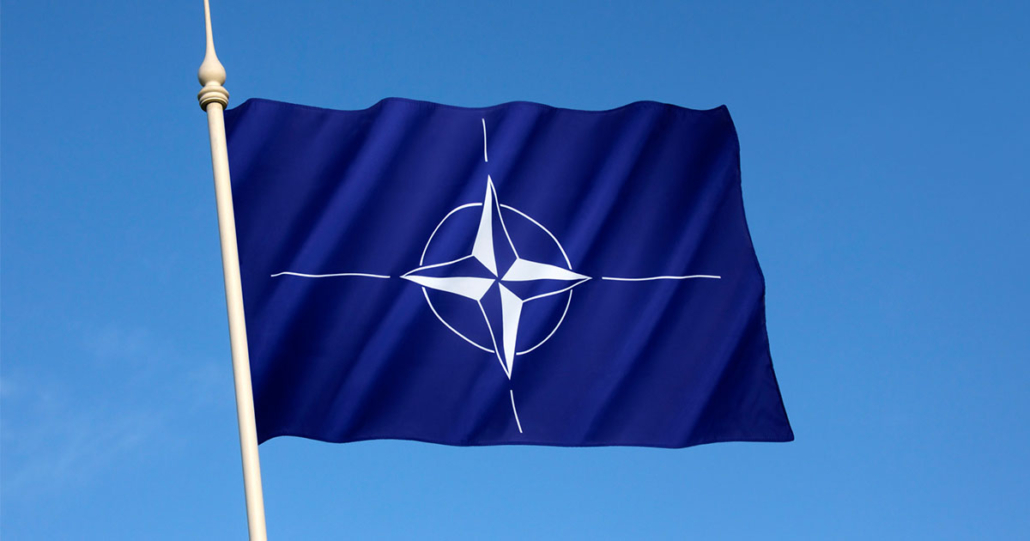
Global Tensions Rise as NATO Rejects U.S. Iran Blockade Plan
NATO Cracks Over Strait of Hormuz as Allies Reject U.S. Blockade Plan
A widening rift inside NATO is drawing fresh attention as key U.S. allies refuse to join President Donald Trump’s proposed blockade of the Strait of Hormuz. For Christians watching the Middle East with biblical awareness, this matters because it combines three major themes at once: regional instability, fragile Western alliances and rising pressure around one of the world’s most strategic trade routes.
This is not merely another diplomatic disagreement. It is a reminder that global order is becoming more volatile, even among nations that have long presented a united front. In an age of growing conflict and uncertainty, believers should pay close attention without surrendering to fear.
Why the Strait of Hormuz Matters
A Chokepoint for Global Trade and Energy
The Strait of Hormuz is one of the world’s most important shipping lanes, carrying roughly one-fifth of global oil traffic under normal conditions. That makes any disruption there a matter of international consequence, affecting energy markets, military strategy and diplomatic relations far beyond the Middle East. According to The Associated Press, the U.S. blockade took effect after ceasefire talks with Iran broke down and fresh warnings were issued about Iranian military interference.
President Trump said the United States would work with other nations to halt maritime traffic connected to Iranian ports. Yet instead of rallying the alliance, the move exposed deep disagreement among NATO members over how to respond.
That disagreement is especially significant because the Middle East remains central to so many conversations about Bible prophecy, global conflict and the future of international governance.
NATO Allies Refuse to Join
Britain and France Distance Themselves
Britain and France made clear they do not want to be pulled into a wider war through participation in a U.S.-led blockade. Reports on April 13 said British Prime Minister Keir Starmer rejected involvement, while France leaned toward a separate defensive effort aimed at restoring navigation after hostilities subside. Coverage from The Guardian summarized the split, noting that several allies opposed taking part in the blockade even as pressure mounted from Washington.
This is more than a policy dispute. It signals an increasingly fragile Western alliance at a moment when stability is already under strain. NATO has long been presented as a pillar of transatlantic strength, but recent events suggest that unity cannot be assumed.
For readers wanting more biblical perspective on how international alignments can shift rapidly in the last days, see What Does the Bible Say About the End Times?
Pressure Builds Inside the Alliance
Trump Wants Commitments, but Consensus Is Missing
NATO Secretary General Mark Rutte has acknowledged the pressure surrounding the Strait of Hormuz and the broader strain on the alliance. In an April 9 speech hosted by the Reagan Institute, published by, Rutte addressed questions about the Trump administration pressing NATO to help in the Middle East, even after urging the alliance to stay focused on Europe and Russia.
That tension matters. NATO is supposed to function through shared commitments, but the present moment reveals how quickly those commitments can be tested when national interests diverge. Several European governments appear willing to discuss future maritime security, but only after a durable ceasefire and only under conditions distinct from direct involvement in the current conflict.
This should remind believers that the institutions of man, no matter how established, remain limited and unstable. Scripture never teaches us to place ultimate confidence in military blocs, economic arrangements or political coalitions.
Biblical Context Without Speculation
Wars, Rumors of Wars and a Shifting World
Jesus warned in Matthew 24 that believers would hear of “wars and rumors of wars.” That does not mean every headline is a direct prophetic fulfillment. It does mean that increasing instability, conflict and uncertainty fit the broader pattern Scripture says will characterize the age before the Lord’s return.
The Middle East remains especially important in prophetic study because of its connection to Israel, Jerusalem, surrounding nations and the final struggles described in passages such as Daniel 11, Zechariah 12 and Revelation. Still, Christians should be careful not to force every event into a prophetic timeline prematurely. The better response is sober watchfulness.
For additional teaching on how current events relate to Bible prophecy, watch Watch Endtime on Only Source Network.
What We Know and What We Should Watch
What We Know
The U.S. announced a blockade targeting maritime traffic connected to Iranian ports. Major NATO allies, including Britain and France, refused to join that effort. At the same time, international concern remains high over the security of a waterway essential to global energy supplies.
What We Do Not Yet Know
It remains unclear whether other nations will join the U.S. operation, whether Iran will escalate further, or whether a separate multinational security mission will eventually emerge. We also do not know whether this latest split inside NATO is temporary or part of a deeper realignment already underway.
Those are not small questions. They touch economics, diplomacy, war and the future balance of power.
A Grounded Christian Response
Christians should neither panic nor look away. Moments like this call for discernment, prayer and confidence in God’s sovereignty. Human alliances may fracture. World leaders may disagree. Strategic waterways may become flashpoints. But none of this catches the Lord by surprise.
As tensions rise in the Middle East and old alliances grow less dependable, believers should stay anchored in Scripture, committed to prayer and attentive to the times. For ongoing news and biblical analysis, visit Endtime Ministries News.