
A New Middle East Alliance? Oil Routes, Israel and the Road Ahead
/in Blog, Prophecy in the News /by John LittleGulf States Explore New Oil Routes as Strait of Hormuz Risks Grow
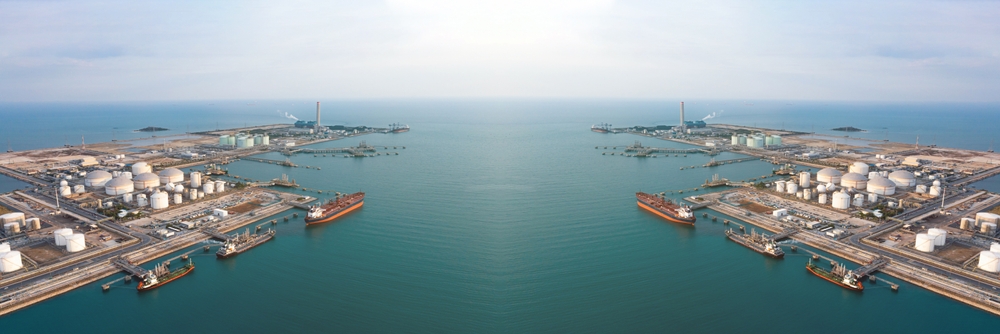
Rising tensions in the Middle East are once again drawing attention to one of the world’s most critical energy chokepoints: the Strait of Hormuz. For decades, this narrow waterway has served as a primary artery for global oil shipments. Now, credible reports indicate Gulf states are actively exploring ways to bypass it altogether.
For Christians watching world events through the lens of Bible prophecy, developments like these are not just economic or political—they are part of a broader realignment in the Middle East that could have long-term prophetic implications.
Strategic Shift Away From a Vulnerable Chokepoint
Why the Strait of Hormuz Matters
The Strait of Hormuz, located between Iran and the Arabian Peninsula, carries roughly one-fifth of the world’s oil consumption, according to the U.S. Energy Information Administration. Its strategic importance—and vulnerability—has made it a focal point in times of conflict.
Recent reporting from the Financial Times indicates that Gulf nations are now evaluating alternatives, including a broad network of pipelines, railways and roads that would reduce reliance on the Strait.
This reflects a growing understanding among regional leaders: control over energy routes is not just economic—it is deeply tied to national security and geopolitical stability.
A New Corridor Through Israel?
Haifa Emerges as a Key Hub
One of the most significant proposals involves connecting Gulf oil infrastructure to the Mediterranean Sea through Israel’s port of Haifa. This would allow exports to reach Europe without passing through Iranian-controlled waters.
This concept aligns closely with the India-Middle East-Europe Economic Corridor (IMEC), a U.S.-backed initiative designed to link India to Europe through the Arabian Peninsula and Israel.
AP reports leaders unveiled a rail and shipping corridor linking India to the Middle East and Europe
Saudi Arabia’s existing East-West pipeline, which already bypasses the Strait by transporting oil to the Red Sea, is often cited as a successful model. Expanding similar infrastructure could significantly alter global energy flows.
If Saudi Arabia formally agrees to routes involving Israel, it would represent a historic shift in regional cooperation—one that would have been unthinkable just a few decades ago.
Regional Cooperation and Shifting Alliances
Aligning Interests in a Changing Middle East
Energy leaders and policymakers increasingly emphasize the need to eliminate “chokepoints” that adversaries could exploit. Iran’s geographic position along the Strait of Hormuz has long given it strategic leverage.
Israeli leadership has openly supported rerouting energy infrastructure westward. Prime Minister Benjamin Netanyahu recently stated that long-term solutions should focus on pipelines connecting the Arabian Peninsula to the Mediterranean, bypassing Iran entirely.
This growing cooperation between Israel and Gulf nations reflects a broader trend of normalization and shared interests.
For additional geopolitical context, the Council on Foreign Relations has noted how energy security concerns are driving new alliances across the region.
For a deeper biblical perspective on Middle East alignments, readers can explore Endtime’s ongoing analysis of prophecy in the region
Prophetic Considerations: Preparing the Stage?
Watching Without Speculating
While the Bible does not mention oil pipelines or modern trade corridors, it does describe a complex network of nations interacting in the last days.
Daniel 11 details power struggles centered in the Middle East, while Revelation speaks of global systems that will influence commerce and governance. Jesus Himself warned in Matthew 24 that wars, tensions and geopolitical shifts would intensify as the end approaches.
These infrastructure developments may reflect a broader trend toward regional integration and cooperation—conditions that could support the kind of global systems described in Scripture.
However, it is important to remain measured. These projects are still in development, and political realities—particularly Saudi-Israeli relations—will determine whether they move forward.
What Believers Should Be Watching
Key Developments to Monitor
As this story unfolds, several important indicators should be watched closely:
- Formal agreements between Saudi Arabia and Israel
- Progress on the IMEC trade corridor
- Escalation or stabilization involving Iran and the Strait of Hormuz
- Expansion of infrastructure linking the Middle East to Europe and Asia
Each of these factors could contribute to a reshaping of global trade and political alliances.
For ongoing updates and biblical teaching, readers can watch Endtime Ministries’ streaming content for in-depth prophecy analysis
A Call to Discernment and Confidence
In a rapidly changing world, it is easy to focus on uncertainty. Yet Scripture reminds us that God’s plan is steady and sure.
Nations may build pipelines and forge alliances in pursuit of security, but true stability is found only in the Lord. As these developments unfold, believers are called to remain watchful, discerning and grounded in God’s Word.
Jesus said in Luke 21:28, “When these things begin to come to pass, then look up, and lift up your heads; for your redemption draweth nigh.”
While the world seeks new pathways for oil and power, the ultimate path forward has already been established—and it leads to the fulfillment of God’s prophetic plan.