

Middle East Ceasefire Lowers Oil Prices While Global Uncertainty Remains
Oil Prices Fall as Strait of Hormuz Reopens, but Middle East Tensions Remain
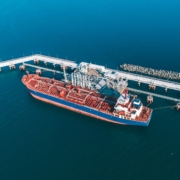
Oil prices fell sharply after Iran signaled that the Strait of Hormuz would remain open to commercial shipping during a temporary ceasefire, offering short-term relief to global markets already rattled by weeks of instability. For Christians watching world events through a biblical lens, this story matters because it shows how quickly conflict in the Middle East can shake the nations economically, politically and strategically.
Even so, this is not a picture of lasting peace. It is a reminder that one narrow waterway in the Middle East can affect the entire world, and that volatility in this region continues to keep nations on edge.
A Major Energy Route Reopens
Oil prices plunged more than 10% after Iranian officials said the Strait of Hormuz would remain open to commercial vessels during the current ceasefire. The decline marked a dramatic reversal after oil had surged above $100 per barrel during the height of the crisis.
The Strait of Hormuz is no minor shipping lane. According to the U.S. Energy Information Administration, it remains one of the world’s most important oil chokepoints, with enormous volumes of petroleum moving through it each day.
That reality helps explain why markets reacted so quickly. When traffic through Hormuz is threatened, energy prices rise, shipping slows and economies far from the Middle East feel the consequences.
Ceasefire Brings Relief, but Not Stability
The immediate drop in oil prices reflects market optimism that a broader regional escalation may be avoided, at least for now. Yet the situation remains fragile, with military pressure still in place and commercial shippers weighing whether conditions are truly safe.
The Associated Press reported that Iran reopened the strait to commercial traffic even as President Donald Trump said the U.S. blockade on Iranian ships and ports would remain in force until a broader agreement is reached.
That distinction matters. Commercial passage may be resuming, but this is not the same as a return to normal. The conflict may have cooled, but it has not been fully resolved.
Shipping Companies Are Still Watching Closely
Several shipping firms have signaled caution, waiting for greater clarity before fully resuming regular operations. Questions remain about security conditions, navigation lanes and the lingering threat of sea mines or sudden military action.
This means the current calm could prove temporary. Markets often move quickly on headlines, but shipping companies tend to move more slowly when lives, cargo and global supply chains are at stake.
The Global Economy Is Still Vulnerable
The broader economic implications are difficult to ignore. Even if oil prices continue to ease, recent disruptions have already exposed how vulnerable the world economy remains to conflict in the Middle East.
The International Monetary Fund said in its April 2026 World Economic Outlook that the global economy is now operating “in the shadow” of the war in the Middle East, with rising commodity prices, tighter financial conditions and growing downside risks, especially for emerging and developing economies.
That warning should not be overlooked. Economic tremors tied to war, trade disruption and energy instability do not stay confined to one region for long.
Why Christians Should Pay Attention
For believers, this is about more than oil markets and shipping data. Scripture repeatedly directs our attention to the importance of the Middle East in the last days, and Jesus warned there would be “wars and rumors of wars” as history moves toward its prophetic conclusion.
That does not mean every headline is a direct fulfillment of prophecy. Christians should be careful not to force events into prophetic categories prematurely. Still, the recurring instability surrounding Israel, Iran and the broader region should remind us that the Bible speaks plainly about global tension, national conflict and increasing uncertainty before the return of Christ.
For readers wanting a stronger biblical framework for understanding current events, go to Endtime.com.
For ongoing analysis from a prophecy-centered Christian perspective, watch Endtime programming on Only Source Network.
What We Know, and What We Do Not
What we know is that Iran has said the Strait of Hormuz is open to commercial traffic, oil prices have fallen sharply in response and the United States says its blockade on Iranian targets will remain in effect. Those are meaningful developments.
What we do not know is how long this ceasefire will hold, whether commercial traffic will fully normalize or whether another flashpoint could send oil prices surging again. The region remains tense, and the appearance of calm should not be confused with durable peace.
A Time for Discernment, Not Panic
Christians should respond to these developments with sobriety, prayer and discernment. The goal is not fear, and it is not sensationalism. The goal is to understand the times while remaining anchored in the sovereignty of God.
The nations may rage, markets may fluctuate and headlines may shift by the hour, but the Word of God remains sure. In moments like this, believers should stay watchful, think biblically and remember that the Lord is not surprised by any of it.