
Status Quo Changing in Jerusalem? Temple Mount Developments Stir Prophetic Interest
/in Blog, Prophecy in the News /by John LittleJewish Prayer on the Temple Mount Signals a Quiet but Historic Shift
For decades, the Temple Mount in Jerusalem has remained one of the most sensitive religious flashpoints on earth. Now, a subtle but meaningful change unfolding under Israeli police oversight is drawing renewed attention from Jews, Muslims and prophecy-aware Christians alike.
In recent weeks, Israeli police have quietly begun allowing limited Jewish prayer on the Temple Mount — the most significant shift to the long-standing status quo since Israel regained control of the Old City in 1967. While Israeli officials deny any formal policy change, events on the ground suggest something fundamental may be shifting at a site central to biblical history and end-times prophecy.
Why This Matters to Christians
The Temple Mount is not merely a political or cultural symbol. Scripture identifies it as the location of the First and Second Temples and places it at the center of key prophetic passages in Daniel, Matthew 24 and Revelation. Developments affecting worship and authority at this location deserve careful attention from believers seeking biblical understanding rather than speculation.
A Delicate Status Quo Begins to Bend
Jewish Worship Long Restricted
After Israel captured east Jerusalem during the Six-Day War, then-defense minister Moshe Dayan allowed the Islamic Waqf to retain administrative control of the Temple Mount, while Israel assumed responsibility for security. To reduce the risk of unrest, Jews were permitted to visit but forbidden from praying, singing or performing religious rituals on the site.
That arrangement — often referred to as the “status quo” — remained largely unchanged for nearly six decades.
Muslim worship, however, continued uninterrupted, with hundreds of thousands gathering at Al-Aqsa Mosque during major Islamic holy days.
Recent Changes on the Ground
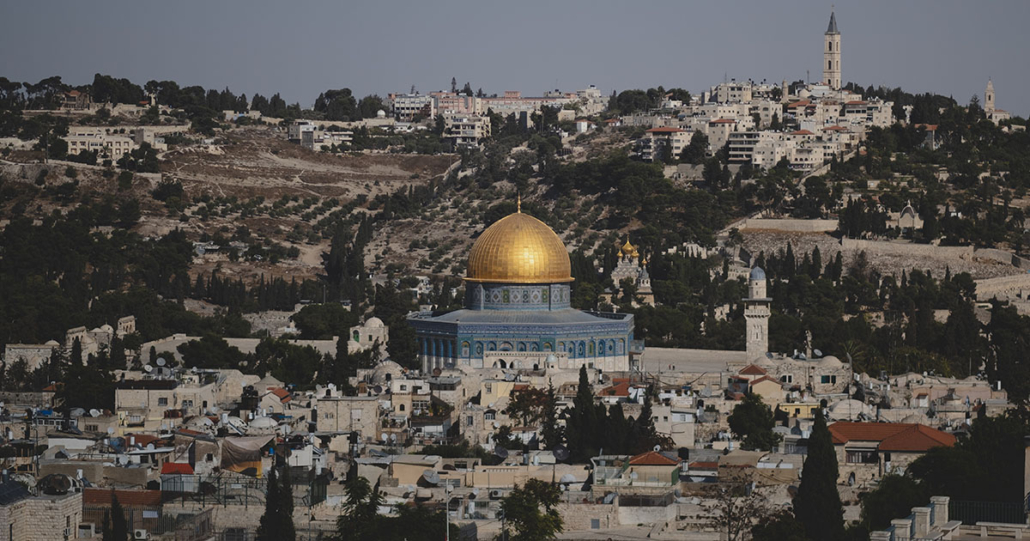
In February, Israeli police escorted a group of Jewish visitors who were observed quietly praying near the Dome of the Rock — singing hymns, reading from prayer pages and bowing toward the former location of the Jewish Temples. Police did not intervene, marking a notable departure from past enforcement, according to reporting by Reuters.
Officials insist the overall policy has not changed, but longtime Temple Mount visitors say the difference is unmistakable.
“For many people, it is a very powerful experience,” said Yisrael Medad, who has visited the Temple Mount regularly since 1970. “Now people can pray openly, sometimes for several minutes.”
Rising Jewish Presence, Rising Tensions
Growing Numbers of Jewish Visitors
Jewish visits to the Temple Mount have increased dramatically in recent years. More than 68,000 Jews ascended the site during the Hebrew year ending in September 2025 — a 22% increase from the previous year, according to the Beyadenu activist group.
The increase follows recent rabbinic rulings permitting Jews to enter certain areas of the mount while avoiding locations believed to include the Holy of Holies.
Mixed Reactions Among Muslims
Reactions among Muslim worshipers have varied. Some expressed tolerance toward quiet Jewish prayer, while others strongly objected, insisting the site should remain exclusively Islamic.
The Temple Mount — known to Muslims as Haram al-Sharif — has repeatedly been a trigger for violence. Hamas referred to its October 7, 2023, massacre as “Al-Aqsa Flood,” deliberately invoking the site’s religious significance to rally support.
The broader sensitivity surrounding the compound has been analyzed by BBC News.
Prophetic Context: Watching Without Speculating
What Scripture Says — and What It Doesn’t
The Bible clearly establishes the Temple Mount as central to future prophetic events. Daniel 9:27, Matthew 24:15 and Revelation 11 all reference temple worship and Jerusalem’s unique role in the last days.
At the same time, Scripture does not provide a specific timeline. Endtime Ministries cautions believers against declaring definitive prophetic fulfillment based on incremental political or religious changes.
What can be said with confidence is this: movement toward Jewish prayer and worship on the Temple Mount aligns with long-standing biblical expectations that Jerusalem will become a focal point of global attention and conflict (Zechariah 12:2–3).
For deeper teaching on Jerusalem’s prophetic role, readers can explore Jerusalem in Bible Prophecy on Endtime.com.
What Believers Should Be Watching
As developments continue, Christians should watch several key indicators:
-
Access: Continued normalization of Jewish prayer on the Temple Mount
-
Authority: Any formal changes to administration or security control
-
Reaction: Regional or international responses to perceived status quo shifts
Each factor may influence future events without constituting immediate prophetic fulfillment.
For ongoing analysis and daily updates, viewers can watch Endtime Ministries’ broadcasts on OSN.
A Call to Discernment and Prayer
These developments are not a call to fear or speculation, but to sober awareness. Jesus instructed His followers to watch world events carefully while remaining grounded in faith, wisdom and peace (Matthew 24:42).
As changes unfold on the Temple Mount, believers can rest in the assurance that God’s purposes for Jerusalem remain intact — and His sovereignty is never threatened.
For continued biblical insight into global events shaping the end times, readers can visit Endtime Ministries’ Israel and Middle East coverage.
Prayer, discernment and confidence in God’s Word remain our response — now, as always.