
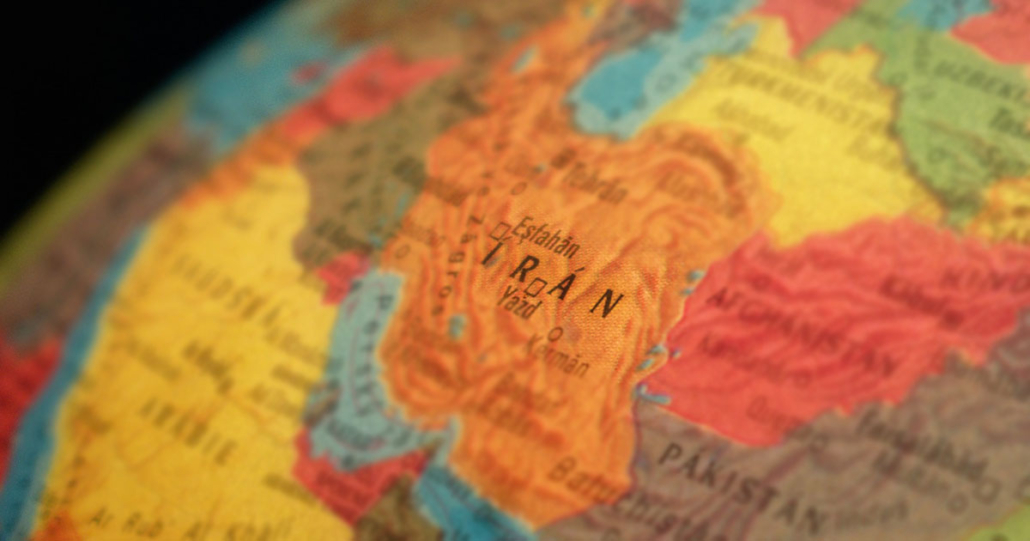
Iran Elevated to U.N. Leadership Role on Global Social Policy
Iran Elevated to U.N. Leadership Role on Global Social Policy
 The United Nations has once again demonstrated a troubling disconnect between stated values and actual governance. In a move with significant implications for global policy, the Islamic Republic of Iran has been elected vice-chair of the U.N. Commission for Social Development for its 2027 session—positioning Tehran to help shape international conversations on poverty, employment, inequality and welfare.
For Christians attentive to Bible prophecy and global governance trends, this development matters. It highlights how international institutions increasingly elevate regimes with well-documented human rights abuses into influential roles, raising questions about moral authority, accountability and the direction of global leadership in the last days.
What Is the U.N. Commission for Social Development?
A Key Body Shaping Global Social Policy
The Commission for Social Development operates under the United Nations Economic and Social Council (ECOSOC) and plays a central role in advancing policies related to economic justice, employment, social protection and standards of living worldwide.
According to the U.N., the commission’s mandate is to promote “higher standards of living, full employment and conditions of economic and social progress and development.” Its recommendations often influence international frameworks that affect billions of people.
Learn more about ECOSOC and its subsidiary bodies.
Iran’s New Role and How It Happened
Election Under “Equitable Geographical Rotation”
The commission concluded its 64th session in New York by electing its leadership, known as the “Bureau,” for the 2027 session. Under the U.N.’s principle of equitable geographical rotation, Iran’s representative, Abbas Tajik, was selected as vice-chair alongside representatives from Portugal and Azerbaijan.
While the process follows established U.N. procedures, the outcome has drawn concern given Iran’s ongoing domestic repression and regional activities. Leadership roles such as vice-chair allow nations to influence agendas, guide policy themes and shape recommendations that ripple across the global system.
Read the U.N.’s official description of the Commission for Social Development
The Moral Tension at the Heart of the Decision
A Regime With a Troubled Record
Iran’s elevation comes amid continued reports of severe restrictions on religious freedom, harsh treatment of women and minorities, and its long-standing support for militant proxies throughout the Middle East. These realities stand in sharp contrast to the commission’s stated goals of social progress and human dignity.
For believers, this tension is not merely political—it is moral. Scripture reminds us that righteousness exalts a nation, while injustice corrodes it from within (Proverbs 14:34). When global institutions ignore this principle, the credibility of their leadership is inevitably weakened.
A Prophetic Perspective on Global Governance
Watching the Shape of the World System
The Bible does not name modern institutions, but it does warn of a future global system increasingly disconnected from God’s standards of justice and truth. Jesus cautioned in Matthew 24 that deception would increase, while Daniel and Revelation describe a final world order marked by centralized authority and moral compromise.
Iran’s new role does not, by itself, fulfill prophecy. However, it fits a broader pattern Christians should be watching: the steady consolidation of influence within global bodies, often without regard for biblical ethics or accountability.
Explore Endtime Ministries’ teaching on global governance and Bible prophecy
What Believers Should Watch Going Forward
Discernment Without Fear
Christians should pay close attention to how the Commission for Social Development frames issues such as economic equity, social welfare and labor policy in the coming years—and which values ultimately guide those discussions.
At the same time, Scripture calls believers to respond not with panic, but with discernment and prayer. God remains sovereign over the nations, even when their leaders fall short of His standards (Daniel 2:21).
Watch current prophecy analysis and world news from a biblical perspective on OSN
A Call to Prayer and Confidence
Iran’s elevation within the United Nations is a reminder that human institutions are imperfect and often morally inconsistent. Yet it also underscores why believers must remain anchored in God’s Word, informed about world events, and confident in Christ’s ultimate authority.
As global systems continue to shift, the call for the Church remains the same: watch, pray, and stand firm—trusting that God’s purposes will prevail, even in uncertain times.